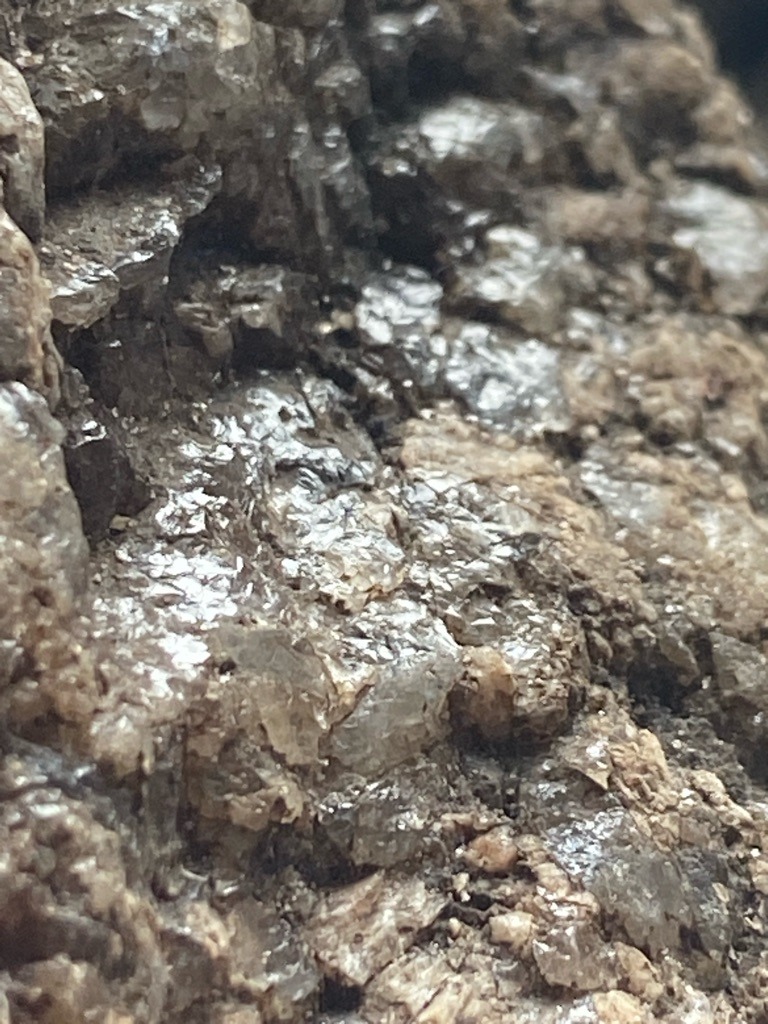
Natural (Rough Diamond in Matrix)
Natural (Rough Diamond in Matrix) · Rough / Uncut Crystal (Octahedral tendencies visible)
Not applicable (Uncut rough stone) Cut
Carat
Estimated total weight of cluster cannot be precisely determined visually, rough specimen
Color
Near-colorless to light brown rough crystal
Clarity
Not applicable for rough uncut matrix specimen (likely includes various internal inclusions)
Shape
Rough / Uncut Crystal (Octahedral tendencies visible)
Overall Assessment
An interesting and authentic geological specimen showing rough diamond crystals embedded within their natural host matrix, ideal for mineral collectors and educational displays
Cut Quality
Not applicable (Uncut rough stone)
Brilliance
Sub-adamantine to adamantine luster on exposed crystal faces
Fire
Limited dispersion visible due to rough, uncut surfaces
Scintillation
Minimal sparkle due to lack of faceted geometry
Proportions
Natural rough proportions
Symmetry
Natural crystal symmetry (cubic/octahedral system)
Polish
Natural unpolished crystal face (vitreous to adamantine luster)
Fluorescence
Cannot be determined without UV testing
Inclusions
Typical natural mineral inclusions embedded in host rock/matrix
Blemishes
Natural surface trigons, etching, and rough surface textures
Origin
Natural primary deposit (kimberlite or lamproite matrix)
Treatment Detection
None detected (untreated natural rough mineral specimen)
Estimated Value
Valued primarily as a mineral specimen rather than a polished gemstone
Certification Estimate
Specimens like this are typically certified as natural rough by geological institutes (GIA rough report if requested)
Investment Potential
Collectible mineral specimens hold steady niche value among collectors
Similar Diamonds
Other natural rough diamond matrix specimens from known diamondiferous pipes
Setting Suggestions
Display in a custom mineral mount or wire-wrap setting to preserve raw state
Care & Maintenance
Store securely in a padded mineral box, avoid harsh chemicals or ultrasonic cleaning which may damage the surrounding matrix
Interesting Facts
Diamonds form deep within the Earth's mantle under extreme heat and pressure before being brought to the surface via volcanic pipes