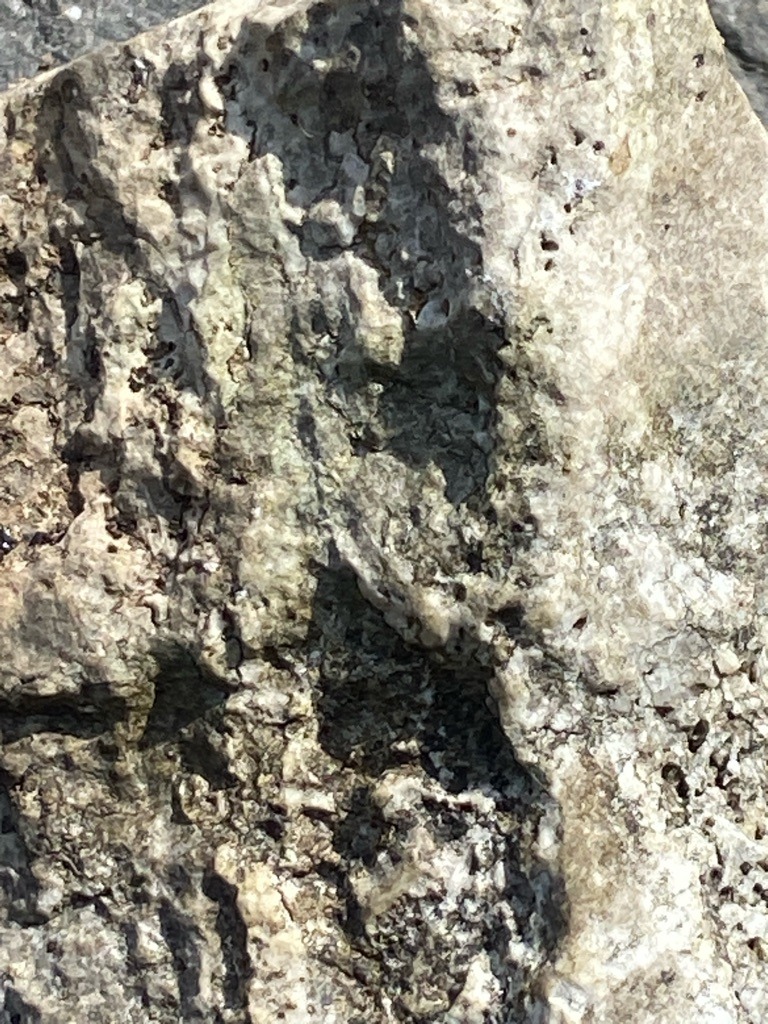
Not a diamond (appears to be raw matrix rock or kimberlite host rock with no cut diamond visible)
Not a diamond (appears to be raw matrix rock or kimberlite host rock with no cut diamond visible) · Rough / Uncut / Matrix rock
N/A Cut
Carat
N/A (Rough mineral mass)
Color
N/A (Brownish-gray host rock)
Clarity
N/A
Shape
Rough / Uncut / Matrix rock
Overall Assessment
The image shows a raw geological formation or host rock matrix rather than a cut and polished diamond. Further professional geological testing would be required to determine if any micro-diamonds are embedded within the matrix.
Cut Quality
N/A
Brilliance
None
Fire
None
Scintillation
None
Proportions
N/A
Symmetry
N/A
Polish
Unpolished
Fluorescence
Unknown
Inclusions
Host rock minerals (olivine, pyroxene, mica, etc.)
Blemishes
Natural weathering, surface fractures, and rough texture
Origin
Terrestrial kimberlite or lamproite matrix rock
Treatment Detection
None detected
Estimated Value
Minimal (Specimen/mineral rock value only)
Certification Estimate
N/A (Requires geological or gemological lab testing, not standard diamond grading)
Investment Potential
Low (Decorative or educational mineral specimen only)
Similar Diamonds
None
Setting Suggestions
Display as a raw geological or mineral specimen
Care & Maintenance
Keep in a dry environment and avoid harsh impacts to prevent crumbling
Interesting Facts
Diamonds form deep within the Earth's mantle and are brought to the surface through deep-source volcanic eruptions in rocks known as kimberlites