Natural rough diamond
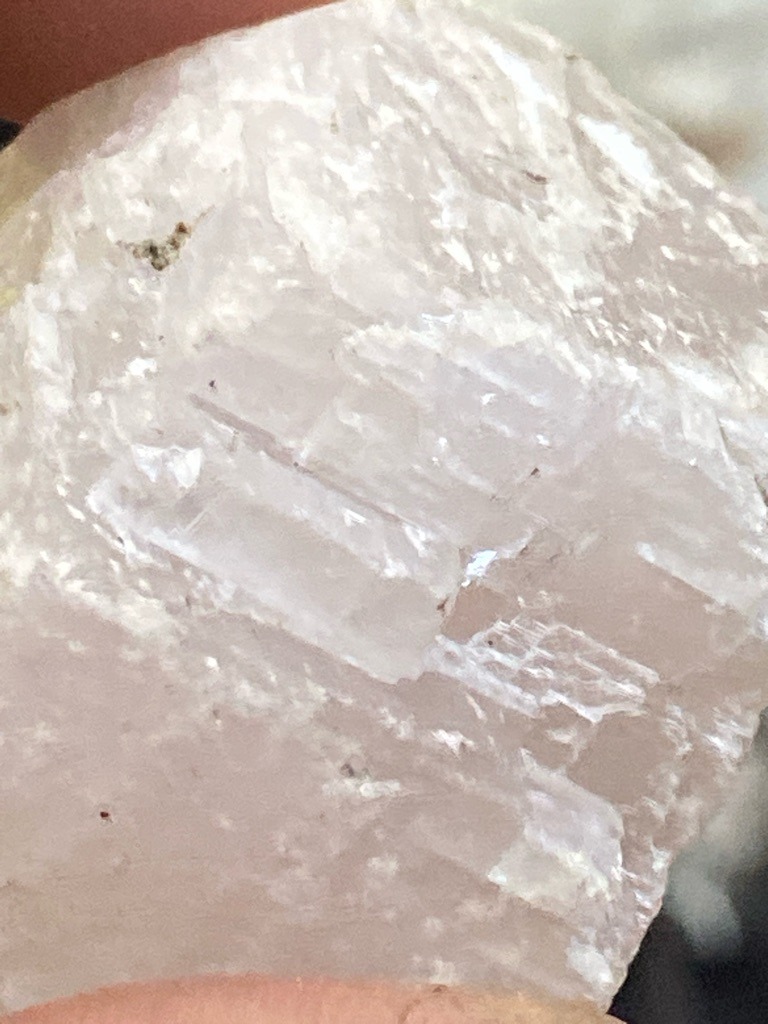
Natural rough diamond · Rough / Uncut octahedral crystal fragment
Not applicable (Rough stone requiring professional cutting and polishing) Cut
Carat
Estimated 3.50 - 4.50 carats based on visual proportions
Color
Near colorless to faint yellow (approx. G-J range)
Clarity
Included (I1-I2 range based on surface features and internal clouds)
Shape
Rough / Uncut octahedral crystal fragment
Overall Assessment
A charming and authentic natural rough diamond specimen offering potential for gem-cutting or to be kept as a collectible mineral specimen
Cut Quality
Not applicable (Rough stone requiring professional cutting and polishing)
Brilliance
Low in rough form; will exhibit brilliance only after cutting and faceting
Fire
Minimal dispersion in current rough state; expected standard fire once cut
Scintillation
Absent in current uncut form
Proportions
Natural crystal habit, non-standard proportions prior to cutting
Symmetry
Natural octahedral symmetry with distorted growth lines
Polish
Natural rough crystal faces (trigons and striations visible)
Fluorescence
Cannot be reliably determined without UV light testing (typically inert to medium blue for natural rough)
Inclusions
Internal cloud formations, pinpoint inclusions, and potential feather fractures visible
Blemishes
Natural surface etchings, trigons, and surface pitting typical of rough crystals
Origin
Natural alluvial or primary kimberlitic deposit (Africa or Canada region typical)
Treatment Detection
No signs of artificial treatment; completely untreated natural rough specimen
Estimated Value
$500 - $1,500 depending on final cut yields and exact clarity after processing
Certification Estimate
GIA or IGI would issue a rough diamond report or origin certificate prior to cutting
Investment Potential
Moderate speculative value depending on the cutter's skill to maximize finished yield
Similar Diamonds
Comparable natural run-of-mine industrial and near-gem quality rough stones
Setting Suggestions
Can be set raw in organic-style artisan jewelry or cut into a round brilliant for a classic solitaire
Care & Maintenance
Store separately to prevent scratching other gemstones; clean gently with warm soapy water and a soft brush
Interesting Facts
Rough diamonds show natural growth markings called trigons on their crystal faces, which are triangular etch pits formed during ascent to the Earth's surface