Natural Rough Diamond
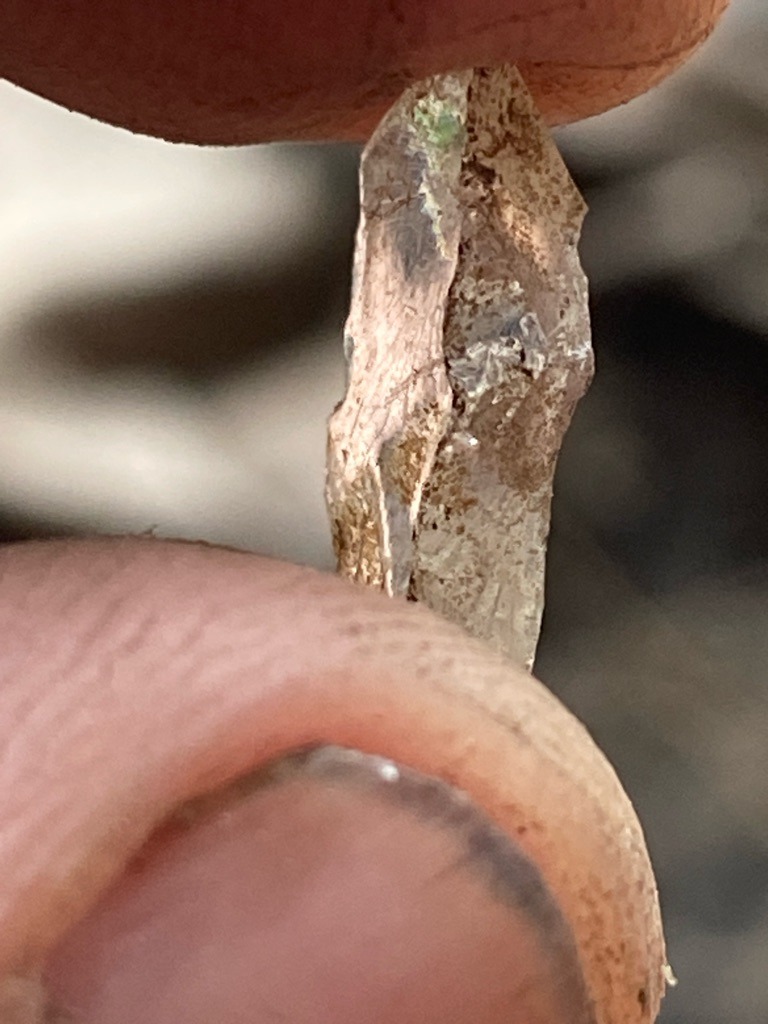
Natural Rough Diamond · Rough crystal (uncut octahedral/elongated morphology)
Not applicable (Uncut rough stone) Cut
Carat
Estimated 0.5 to 1.0 carats based on visual proportions
Color
Brownish or off-color natural rough specimen
Clarity
Included (I1-I3 scale equivalent for rough)
Shape
Rough crystal (uncut octahedral/elongated morphology)
Overall Assessment
An interesting, unworked natural diamond crystal specimen showing authentic rough characteristics, earth-mined textures, and natural growth formations prior to lapidary processing
Cut Quality
Not applicable (Uncut rough stone)
Brilliance
Minimal due to rough, unpolished surfaces
Fire
Very limited due to lack of standard facet dispersion
Scintillation
Negligible until cut and polished
Proportions
Elongated rough crystal, natural formation without standard faceted proportions
Symmetry
Natural asymmetrical crystalline growth
Polish
None (Raw crystal face with natural striations and trigons)
Fluorescence
Indeterminate from visual assessment alone
Inclusions
Heavy internal clouding, feathers, and potential carbon spots typical of rough material
Blemishes
Natural surface etching, rough skin, cavities, and adhering matrix minerals
Origin
Likely alluvial or primary kimberlite deposit origin
Treatment Detection
No treatments detected; appears completely untreated and natural
Estimated Value
Nominal value as a mineral specimen; low gem-grade value due to heavy inclusions and color
Certification Estimate
GIA or similar major labs would issue a rough diamond report if requested
Investment Potential
Low investment potential for resale, primarily valued for educational or decorative specimen collections
Similar Diamonds
Comparable to industrial-grade or low-quality gem-rough mineral specimens
Setting Suggestions
Best preserved as a raw mineral specimen in a custom organic wire-wrap or bezel setting
Care & Maintenance
Clean with mild soapy water and a soft brush; avoid harsh ultrasonic cleaners due to internal fracture risks
Interesting Facts
Rough diamonds straight from the earth often feature natural triangular growth markings called trigons on their faces