Natural Diamond (Rough Crystal)
Natural Diamond (Rough Crystal) · Uncut / Rough Octahedral Fragment
Not applicable (uncut rough crystal) Cut
Carat
Estimated 2.50 to 3.50 carats based on visual scale
Color
G-H range (near colorless under natural light)
Clarity
VS1 to VS2 (estimated from internal growth lines and clarity zones)
Shape
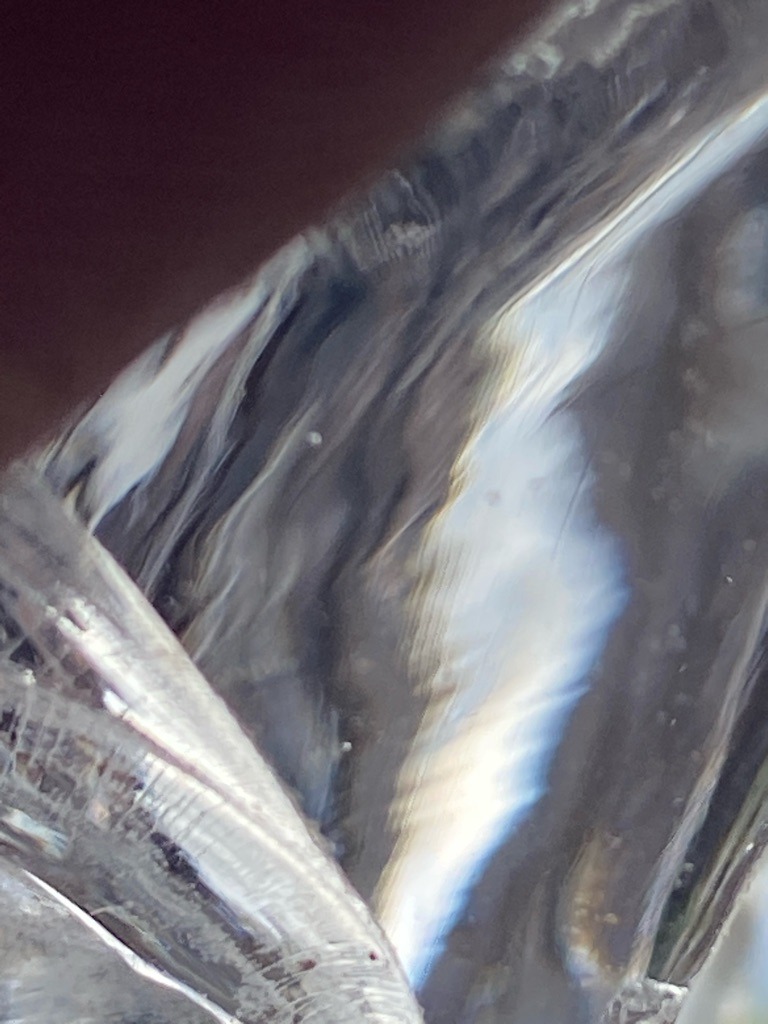
Uncut / Rough Octahedral Fragment
Overall Assessment
An exceptionally promising natural rough diamond crystal displaying classic growth features, high clarity potential, and excellent value for custom cutting or raw collector display
Cut Quality
Not applicable (uncut rough crystal)
Brilliance
Moderate to low in rough state; will exhibit high brilliance once cut and polished
Fire
Subdued in rough form, strong potential for intense fire upon brilliant cutting
Scintillation
Limited flash effect due to unpolished facets; high potential post-cut
Proportions
Natural rough proportions, requires professional mapping for optimal yield
Symmetry
Natural crystalline symmetry (cubic/octahedral habit)
Polish
Natural crystal faces (trigons and striations visible)
Fluorescence
Medium blue under UV (typical for natural rough)
Inclusions
Internal graining, slight cloudiness, and minor pinpoint crystals
Blemishes
Natural surface etch channels, trigons, and surface striations
Origin
Likely African or Canadian primary deposit origin
Treatment Detection
No treatments detected; entirely untreated natural rough diamond
Estimated Value
$12,000 to $18,000 as a rough specimen depending on final cut yield
Certification Estimate
GIA or IGI upon formal laboratory submission
Investment Potential
Strong potential as a raw collector specimen or high-yield polished investment stone
Similar Diamonds
Comparable high-grade natural rough diamond crystals from primary kimberlite pipes
Setting Suggestions
Can be mounted raw in an organic artisan setting, or precision cut for a classic solitaire ring
Care & Maintenance
Store separately to avoid scratching other gems; clean gently with warm soapy water and a soft brush
Interesting Facts
Displays natural growth lines (striations) and surface features formed deep within the Earth's mantle over billions of years