Natural
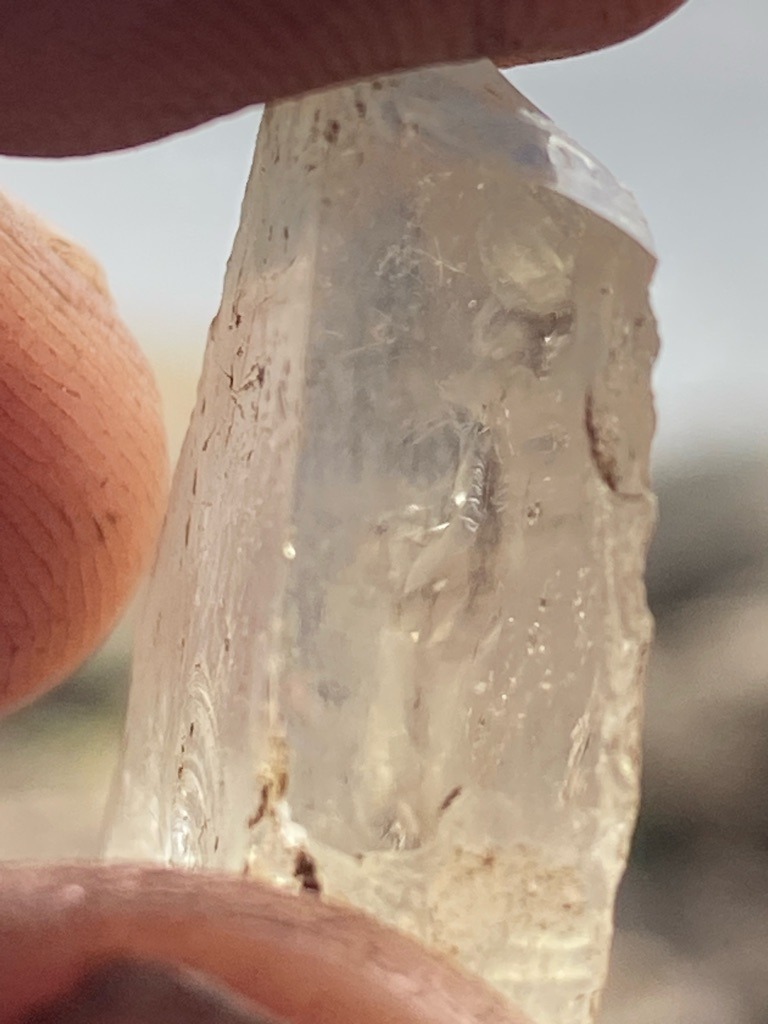
Natural · Rough crystal / Uncut octahedral or irregular crystal form
Not Applicable (Rough / Uncut) Cut
Carat
Estimated 2.0 to 3.5 carats based on visual scale
Color
Near Colorless to Faint Yellow (approx. G-J range)
Clarity
Included (approx. I1 to I2)
Shape
Rough crystal / Uncut octahedral or irregular crystal form
Overall Assessment
This is a natural, unpolished diamond crystal in the rough. While it possesses visible internal inclusions and natural surface imperfections typical of uncut stones, it represents the authentic, unaltered state of a diamond before human craftsmanship shapes it.
Cut Quality
Not Applicable (Rough / Uncut)
Brilliance
Low to moderate due to rough surfaces and internal inclusions
Fire
Minimal visible fire in raw state
Scintillation
Poor sparkle until cut and polished
Proportions
Natural rough proportions, deep and irregular
Symmetry
Natural crystal symmetry, asymmetric raw form
Polish
Natural crystal faces (trigons and striations visible)
Fluorescence
Indeterminate from visual inspection alone, likely Faint to Medium Blue
Inclusions
Internal feather fractures, cloud clusters, and carbon spots visible
Blemishes
Natural surface etch channels, trigons, and rough skin textures
Origin
Alluvial or primary kimberlite rough source (African or Canadian origin likely)
Treatment Detection
No treatments detected; entirely untreated natural rough
Estimated Value
Varies widely as a specimen, roughly $100 to $400 depending on cutter yield potential
Certification Estimate
GIA or IGI would grade as an unpolished rough natural diamond study piece
Investment Potential
Low investment potential for jewellery use, primarily of interest to collectors or lapidaries
Similar Diamonds
Industrial or low-gem-quality rough diamond parcels
Setting Suggestions
Best kept as a raw mineral specimen or custom designed in an organic bezel setting if left uncut
Care & Maintenance
Store separately to prevent scratching other gemstones; clean with mild soapy water and soft brush
Interesting Facts
Raw diamond crystals often display natural growth features like triangular markings called trigons on their faces