Natural rough diamond matrix or heavily included industrial-grade crystal
Natural rough diamond matrix or heavily included industrial-grade crystal · Rough uncut crystal / irregular crystalline form
Not applicable (uncut rough specimen) Cut
Carat
Estimated 2.50 to 4.00 carats (rough form)
Color
Dark brown / opaque fancy color
Clarity
I3 / Included (Industrial grade with heavy inclusions and surface features)
Shape
Rough uncut crystal / irregular crystalline form
Overall Assessment
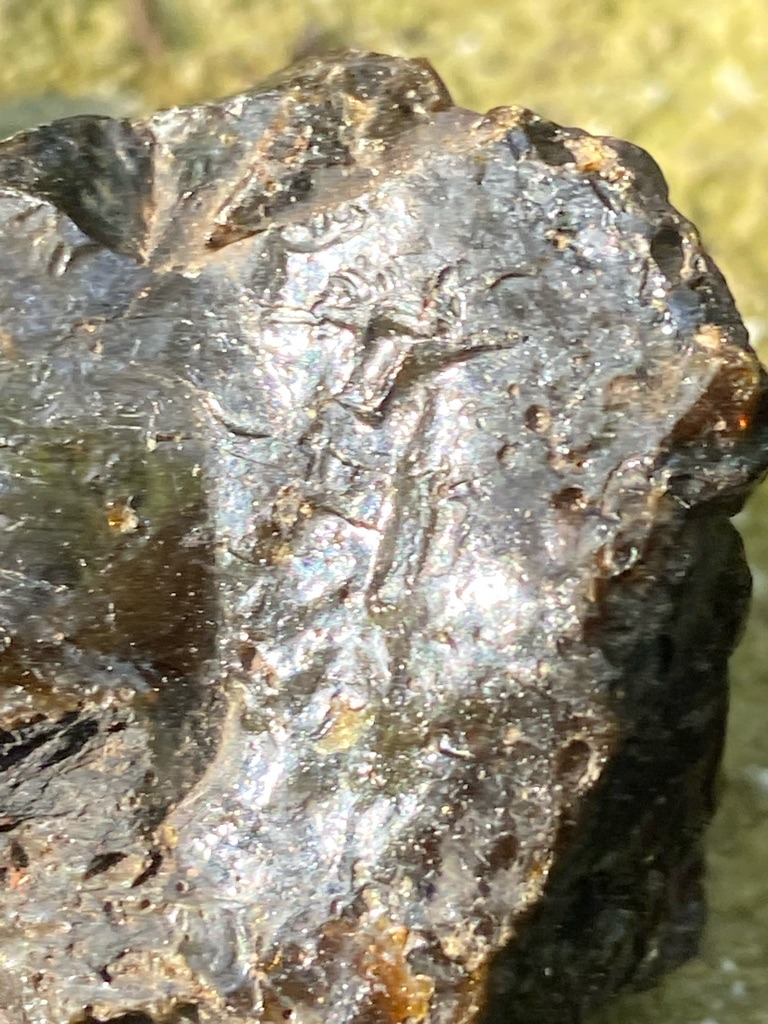
This specimen is a raw, industrial-grade natural diamond crystal in its matrix or heavily included rough state. It lacks the clarity, color, and cut required for standard jewelry use but serves as a fascinating natural mineralogical specimen.
Cut Quality
Not applicable (uncut rough specimen)
Brilliance
Minimal to none due to opacity and rough surface finish
Fire
Absent in current rough, opaque state
Scintillation
None
Proportions
Natural rough proportions, heavily distorted by crystal growth
Symmetry
Natural irregular symmetry characteristic of raw crystal growth
Polish
Raw, unpolished natural crystal faces (trigons and surface etchings visible)
Fluorescence
Indeterminate in current rough state
Inclusions
Dense internal clouding, carbon spots, fractures, and feather inclusions
Blemishes
Natural surface pitting, trigons, and rough skin characteristic of unpolished diamond rough
Origin
Alluvial or primary kimberlite pipe deposit origin (African or Canadian rough source likely)
Treatment Detection
Untreated natural rough stone
Estimated Value
Low commercial or mineral specimen value ($50 - $200 USD as a raw educational/specimen piece)
Certification Estimate
Industrial or geological grading by GIA or local gemological laboratory as raw mineral specimen
Investment Potential
Negligible for financial investment; valuable primarily for mineral collectors or educational purposes
Similar Diamonds
Industrial boart, low-grade alluvial rough diamonds
Setting Suggestions
Wire-wrapped or organic raw-stone bezel setting if used in rustic jewelry
Care & Maintenance
Store separately to prevent scratching other gemstones; clean gently with warm soapy water and a soft brush
Interesting Facts
Raw diamond crystals often display natural triangular etch marks called trigons on their octahedral faces formed during ascent to the Earth's surface