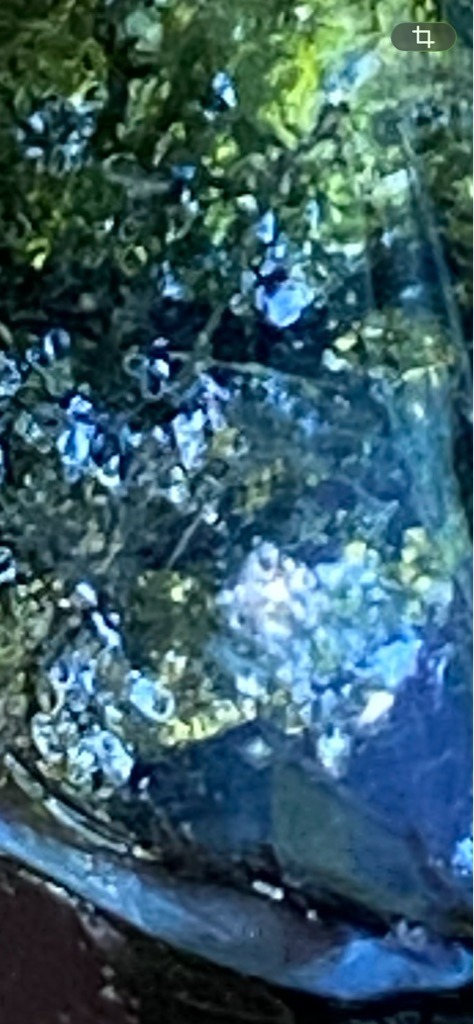
Natural Diamond (Rough / Inclusion View)
Natural Diamond (Rough / Inclusion View) · Uncut Rough / Crystal Fragment
Not Applicable (Uncut Rough) Cut
Carat
Estimated 1.5 - 2.5 carats based on visual perspective
Color
Estimated J-K (or brownish-green rough undertones)
Clarity
Included (I1-I3 equivalent in rough state)
Shape
Uncut Rough / Crystal Fragment
Overall Assessment
An interesting piece of natural diamond rough showing characteristic internal and external geological features, best evaluated further with specialized gemological equipment.
Cut Quality
Not Applicable (Uncut Rough)
Brilliance
Low (due to rough, uncut surface)
Fire
Minimal dispersion due to lack of faceted geometry
Scintillation
Poor, limited flash due to rough surface scattering
Proportions
Natural Crystalline Growth Proportions
Symmetry
Asymmetrical Natural Crystal
Polish
Unpolished Rough Surface
Fluorescence
Indeterminate from visual inspection
Inclusions
Heavy internal clouding, mineral crystals, and potential feathers visible inside the rough matrix
Blemishes
Natural surface trigons, etch channels, and rough skin
Origin
Likely alluvial or primary kimberlite pipe origin
Treatment Detection
No treatments detected; appears completely untreated rough
Estimated Value
Varies widely by industrial vs. gem-quality rough market (approx. $500 - $2,000 depending on cutting potential)
Certification Estimate
GIA or similar major lab, requiring further physical testing
Investment Potential
Speculative, highly dependent on cutting yield and final polished outcome
Similar Diamonds
Uncut industrial or low-clarity gem-grade diamond rough stones
Setting Suggestions
Raw diamond in organic bezel or cage setting, protecting the natural crystal form
Care & Maintenance
Store separately to avoid scratching other jewelry; clean gently with warm soapy water
Interesting Facts
Displays natural growth features and mineral inclusions typical of unpolished mantle-derived diamonds