Natural rough diamond / mineral specimen
Natural rough diamond / mineral specimen · Rough crystal / Irregular elongated shape
Not applicable (Uncut rough stone) Cut
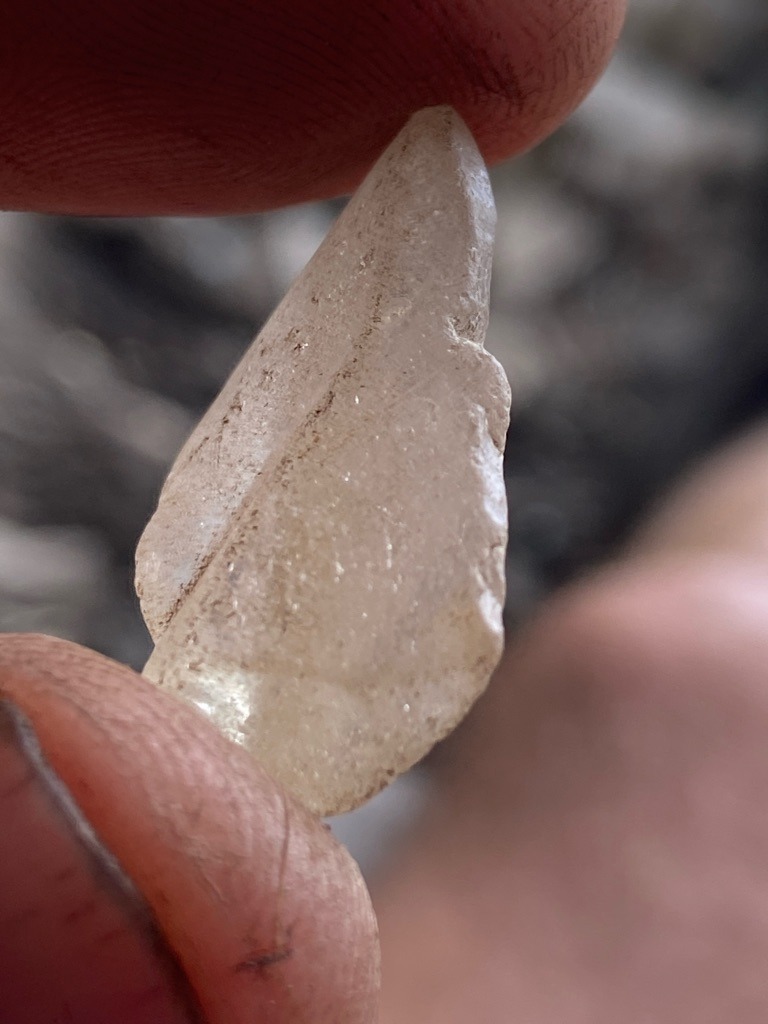
Carat
Estimated 1.5 to 2.5 carats
Color
Estimated G-I near colorless with slight yellowish tint
Clarity
Estimated SI2 to I1 due to natural surface features and internal inclusions
Shape
Rough crystal / Irregular elongated shape
Overall Assessment
This is a fascinating natural rough diamond specimen showing classic unpolished crystal features. Its final value and beauty depend heavily on professional diamond mapping and cutting to maximize yield and optical performance.
Cut Quality
Not applicable (Uncut rough stone)
Brilliance
Limited in rough state; will display brilliance once properly cut and polished
Fire
Obscured by rough surface texture
Scintillation
Minimal in current rough form
Proportions
Natural uncut proportions with octahedral or macle tendencies
Symmetry
Natural asymmetrical rough crystal habit
Polish
Raw natural crystal surfaces with etch marks
Fluorescence
Unknown (requires UV testing)
Inclusions
Natural mineral inclusions and internal feather fractures typical of rough diamonds
Blemishes
Natural surface trigons, etch channels, and rough skin
Origin
Likely alluvial or primary kimberlite deposit origin
Treatment Detection
No treatments detected; appears completely untreated and natural
Estimated Value
Varies widely based on internal quality; rough stones of this type typically range from a few hundred to over a thousand dollars depending on final yield
Certification Estimate
GIA would likely issue a rough diamond report or origin report if submitted prior to cutting
Investment Potential
Holds intrinsic value as a natural mineral specimen, with potential to increase in value if cut into a high-grade polished diamond
Similar Diamonds
Comparable to unpolished alluvial rough diamond crystals found in African or South American deposits
Setting Suggestions
Can be custom-set in its raw form using a bezel or prong setting for organic-style jewelry, or planned for cutting into a brilliant shape
Care & Maintenance
Store separately to avoid scratching other jewelry; clean gently with warm soapy water and a soft brush
Interesting Facts
Rough diamonds often display natural triangular markings called trigons on their crystal faces, which are formed by dissolution processes deep within the Earth