Natural (Rough Crystal)
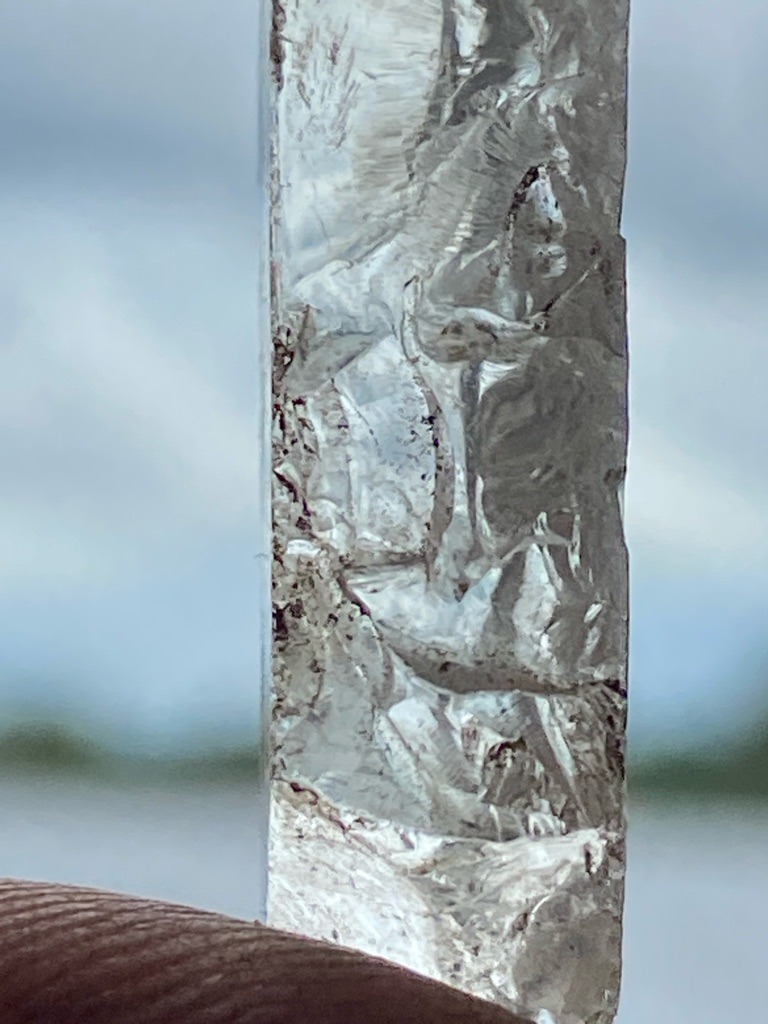
Natural (Rough Crystal) · Uncut Octahedral / Irregular Crystal Fragment
Not Applicable (Rough, uncut crystal) Cut
Carat
Estimated 2.5 - 3.5 carats
Color
Near Colorless to Faint Yellow (approx. G-K range)
Clarity
Included (I1 - I2 due to internal fractures and cloudiness)
Shape
Uncut Octahedral / Irregular Crystal Fragment
Overall Assessment
An intriguing, natural uncut diamond crystal displaying classic raw characteristics, ideal for mineral collectors or custom organic jewelry design.
Cut Quality
Not Applicable (Rough, uncut crystal)
Brilliance
Low to moderate due to rough, unpolished state and internal fractures
Fire
Minimal due to unfaceted surface and lack of optical light return geometry
Scintillation
Poor, as light diffuses through natural rough surfaces rather than reflecting off precise facets
Proportions
Natural rough form; depth and table percentages do not apply
Symmetry
Natural crystal symmetry (distorted octahedral/dodecahedral habits)
Polish
Natural crystal faces (trigons and striations present)
Fluorescence
Indeterminate from visual assessment (typically None to Faint in similar rough)
Inclusions
Feather fractures, mineral inclusions (likely graphite or olivine), and internal cloudiness
Blemishes
Natural surface etch channels, growth lines, and rough fracture planes
Origin
Alluvial or primary kimberlitic deposit (typical of African or Canadian rough)
Treatment Detection
No signs of artificial treatments; completely natural untreated rough
Estimated Value
$500 - $1,500 depending on final yield after cutting and clarity retention
Certification Estimate
GIA (Gemological Institute of America) - Rough report or grading upon cutting
Investment Potential
Moderate as a collector specimen, speculative if cut and polished due to internal inclusions
Similar Diamonds
Other industrial or low-gem-quality natural rough diamond crystals of comparable size
Setting Suggestions
Organic bezel setting or raw crystal wire-wrap design in yellow gold or platinum
Care & Maintenance
Store separately to prevent scratching other stones; clean with warm soapy water and a soft brush
Interesting Facts
The surface often exhibits natural triangular growth markings known as trigons, formed during upward magma transport