Rough Diamond / Industrial or Gem Quality Specimen
Rough Diamond / Industrial or Gem Quality Specimen · Cushion / Rectangular Rough Crystal
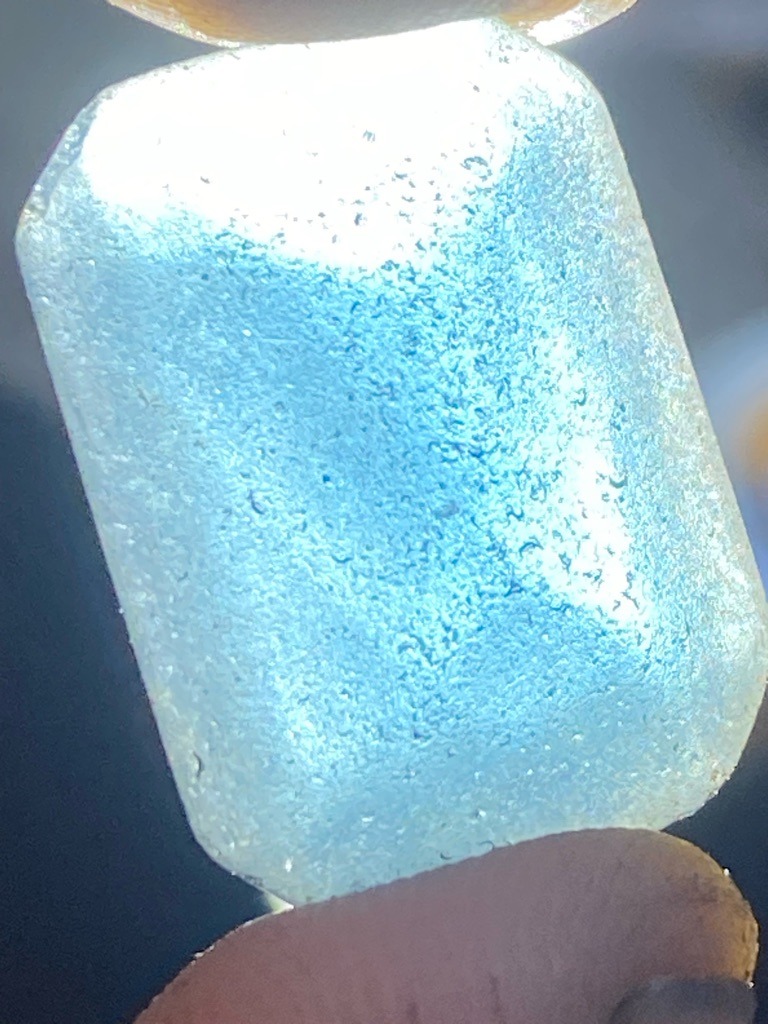
Poor (Uncut rough crystal shape with natural surface texture) Cut
Carat
Estimated 3.50 - 5.00 carats (rough form)
Color
Fancy Light Blue / Off-white
Clarity
Included / I2-I3 (Heavy cloud-like inclusions and internal fractures)
Shape
Cushion / Rectangular Rough Crystal
Overall Assessment
This is a fascinating uncut rough diamond specimen showcasing natural crystal texture and heavy internal cloud inclusions. While it lacks the optical performance of a faceted gemstone, it holds unique appeal for collectors of raw minerals or designers of rustic, organic jewelry.
Cut Quality
Poor (Uncut rough crystal shape with natural surface texture)
Brilliance
Low due to lack of standard faceting and heavy internal inclusions
Fire
Minimal due to uncut state and opacity from inclusions
Scintillation
Poor, light is diffused rather than reflected back to the viewer
Proportions
N/A for rough stone
Symmetry
Irregular natural crystal symmetry
Polish
Unpolished (natural rough faces showing trigons or etching)
Fluorescence
Indeterminate from photo (requires UV testing)
Inclusions
Dense internal clouds, pinpoint clusters, and internal feather fractures
Blemishes
Natural surface cavities, rough skin, and growth marks
Origin
Natural alluvial or primary pipe deposit (likely Africa or Canada)
Treatment Detection
No obvious signs of artificial treatment; appears completely untreated and natural
Estimated Value
$300 - $800 depending on actual weight, purity, and cutting potential
Certification Estimate
GIA or IGI (would likely receive a rough diamond report or low-grade cut report if faceted)
Investment Potential
Low to moderate, primarily valued as a mineral specimen or for specialized rustic jewelry rather than liquid investment
Similar Diamonds
Other low-clarity rough diamond specimens and industrial-grade uncut stones
Setting Suggestions
Raw diamond jewelry setting such as a custom wire-wrap or bezel setting in yellow or white gold
Care & Maintenance
Clean gently with warm soapy water and a soft brush; avoid harsh ultrasonic cleaners due to internal fractures
Interesting Facts
The blue tint and dense internal patterning suggest interesting geological formation conditions involving boron or radiation exposure over millions of years