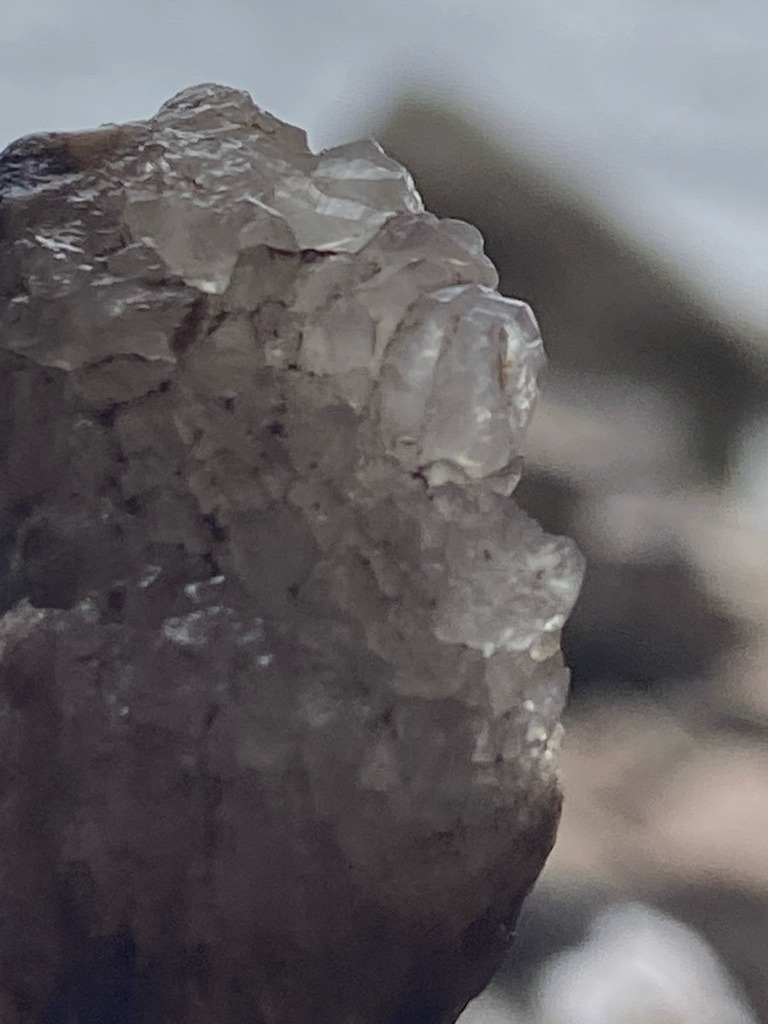
Natural diamond crystal aggregate / rough mineral specimen
Natural diamond crystal aggregate / rough mineral specimen · Rough crystal / Octahedral tendency
Uncut / Rough Cut
Carat
Estimated 2.50 to 3.50 carats based on visible rough cluster scale
Color
Near-colorless to light brown tint
Clarity
Included (I1-I2 estimated for rough state)
Shape
Rough crystal / Octahedral tendency
Overall Assessment
An interesting and authentic natural rough diamond crystal specimen showing characteristic growth structures, suitable for mineral collections or bespoke organic jewelry designs.
Cut Quality
Uncut / Rough
Brilliance
Low due to uncut state and rough surface transparency
Fire
Minimal visible fire in current rough condition
Scintillation
Limited, reflecting light off natural crystal faces rather than precision facets
Proportions
Natural uncut crystal morphology
Symmetry
Asymmetrical natural rough crystal formation
Polish
Unpolished natural crystal faces (trigons and natural texture visible)
Fluorescence
Unable to determine without UV testing (likely none to medium blue)
Inclusions
Internal cloud formations, pinpoint inclusions, and potential feathers typical of rough stones
Blemishes
Natural surface etchings, trigons, and rough skin textures
Origin
Natural alluvial or primary kimberlite deposit origin
Treatment Detection
No treatments detected; completely untreated natural rough
Estimated Value
Minimal retail value as a finished gem; valued as a raw mineral specimen
Certification Estimate
GIA or similar major laboratory would grade this as a rough diamond study specimen
Investment Potential
Collectible mineral value rather than standard investment-grade polished diamond potential
Similar Diamonds
Other natural unpolished octahedral diamond crystals and rough mineral clusters
Setting Suggestions
Raw mineral bezel setting, pendant wrap, or displayed as a collector's crystal specimen
Care & Maintenance
Store separately to prevent scratching other materials; clean gently with warm soapy water and a soft brush
Interesting Facts
Diamonds form deep within the Earth's mantle under extreme heat and pressure, typically transported to the surface via kimberlite pipes.