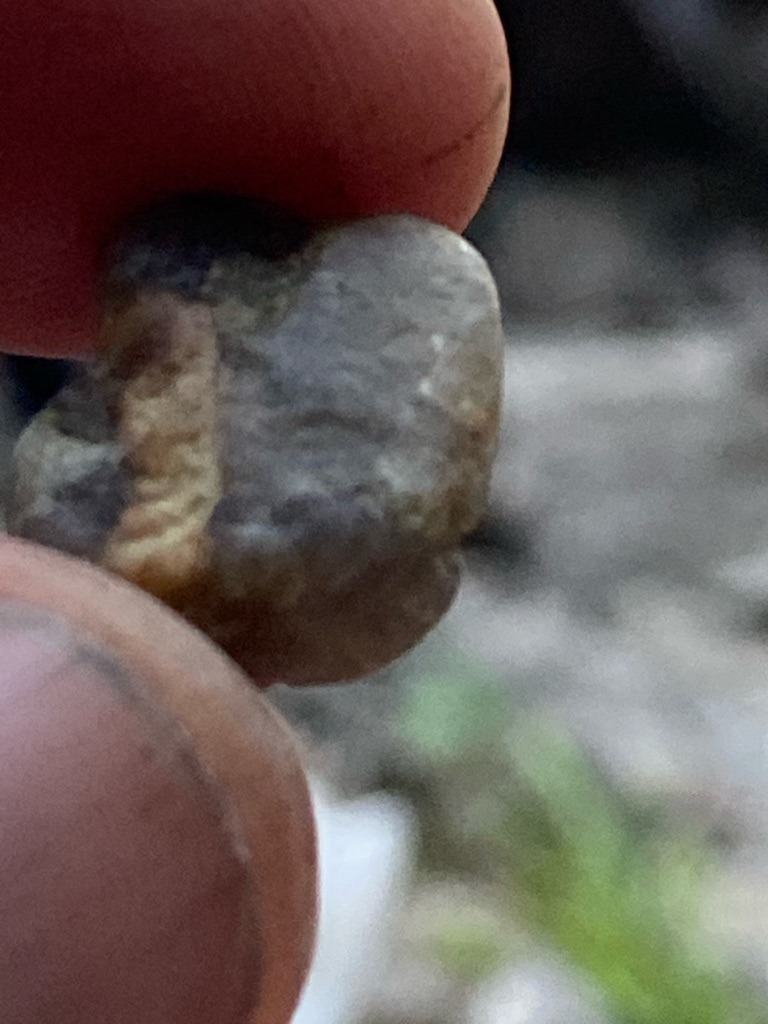
Natural rough diamond specimen
Natural rough diamond specimen · Uncut or heavily weathered crystal/pebble, irregular
Not Applicable (Uncut rough specimen) Cut
Carat
Estimated 1.50 - 2.50 carats based on visual scale
Color
Off-color or brownish/greyish industrial grade
Clarity
Included / Industrial (I3 equivalent in rough form)
Shape
Uncut or heavily weathered crystal/pebble, irregular
Overall Assessment
An interesting, unworked alluvial rough diamond specimen or heavy mineral pebble showing natural weathering characteristics, suitable for a collection rather than jewelry use
Cut Quality
Not Applicable (Uncut rough specimen)
Brilliance
Poor due to lack of cut, facets, and transparency
Fire
Negligible in current uncut state
Scintillation
None
Proportions
Not Applicable (Rough crystal form)
Symmetry
Natural irregular crystal symmetry
Polish
Unpolished natural surface with weathering/skin
Fluorescence
Unknown without UV testing
Inclusions
Heavy internal cloudiness, mineral inclusions, and potential fractures
Blemishes
Natural surface pitting, resorption features, and adhering matrix minerals
Origin
Alluvial deposit (riverbed or secondary source) given the rounded, weathered appearance
Treatment Detection
None detected; completely untreated natural rough
Estimated Value
Nominal value (few tens of dollars as a mineral specimen)
Certification Estimate
Unlikely to be certified by major labs (GIA/AGS) as it is rough industrial material
Investment Potential
Low; valuable primarily as a curiosity or educational mineral specimen rather than an investment
Similar Diamonds
Typical alluvial rough industrial diamonds found in regional prospecting
Setting Suggestions
Wire-wrapped or organic raw stone bezel setting if kept as a raw pendant
Care & Maintenance
Store separately to avoid scratching other materials, clean gently with mild soap and water
Interesting Facts
The rounded edges and brownish coating indicate it has traveled through water in an alluvial deposit, tumbling against other rocks before being recovered