Natural (Rough / Uncut)
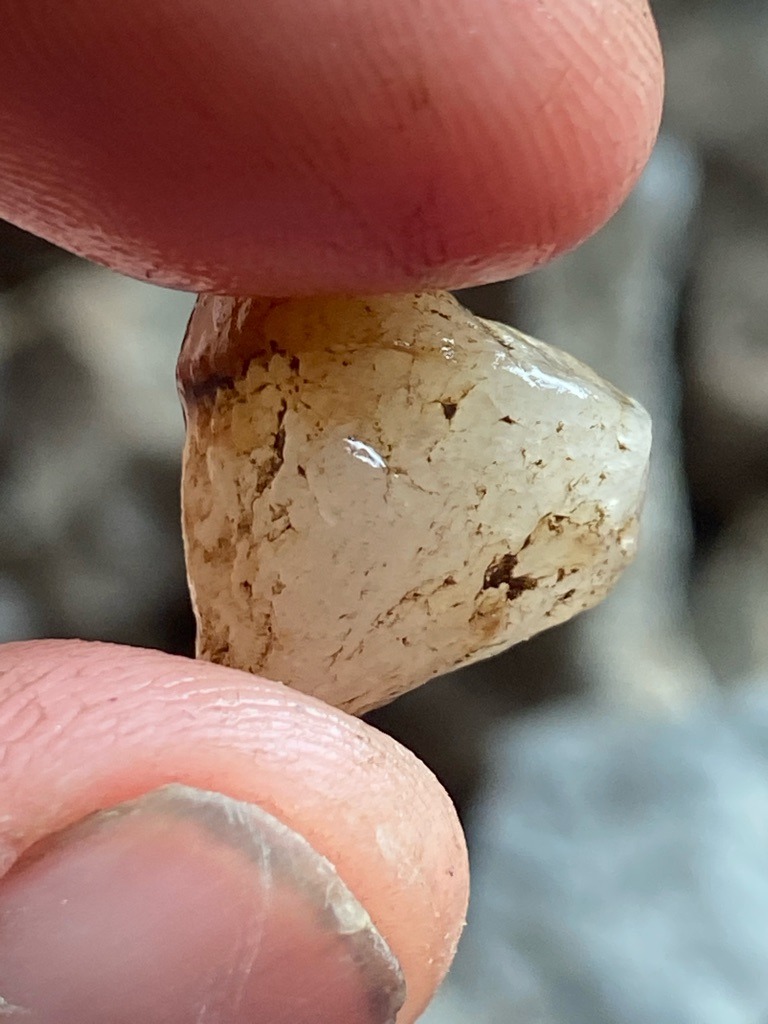
Natural (Rough / Uncut) · Rough Crystal (Irregular Octahedral / Rounded)
Not applicable (Rough crystal) Cut
Carat
Estimated 1.5 - 2.5 carats
Color
Light brown / off-white tinted
Clarity
Included (I1 - I3 equivalent for rough)
Shape
Rough Crystal (Irregular Octahedral / Rounded)
Overall Assessment
This is an interesting natural rough diamond crystal, displaying characteristic alluvial wear, surface etching, and inclusions, making it suitable either as a raw mineral specimen or for specialized organic jewelry designs after professional evaluation.
Cut Quality
Not applicable (Rough crystal)
Brilliance
Minimal due to unpolished and rough nature
Fire
Very limited until cut and faceted
Scintillation
None in current rough state
Proportions
Uncut natural proportions, heavily influenced by natural crystal growth
Symmetry
Natural asymmetrical rough crystal form
Polish
Natural rough surface with etching and pitting
Fluorescence
Cannot be determined visually without UV testing
Inclusions
Heavy internal clouding, mineral crystals, and potential feathers
Blemishes
Surface pitting, natural growth lines, and adhering matrix minerals
Origin
Likely alluvial deposit (riverbed or secondary deposit due to surface wear)
Treatment Detection
No obvious signs of human treatment; appears completely untreated as found
Estimated Value
Low-to-moderate industrial or specimen value ($50 - $300 depending on exact weight and gem-grade potential after cutting)
Certification Estimate
GIA or local gemological lab for preliminary rough weight and origin verification
Investment Potential
Low as a cut gem, moderate as a unique mineral specimen or raw jewelry piece
Similar Diamonds
Other alluvial rough diamond specimens of similar size and clarity
Setting Suggestions
Raw uncut diamond jewelry using prong or bezel settings in yellow gold or platinum
Care & Maintenance
Clean gently with warm soapy water and a soft brush; avoid harsh ultrasonic cleaners due to potential internal fractures
Interesting Facts
Rough diamonds direct from the earth often show natural triangular etch marks called trigons on their crystal faces