Natural diamond rough / specimen
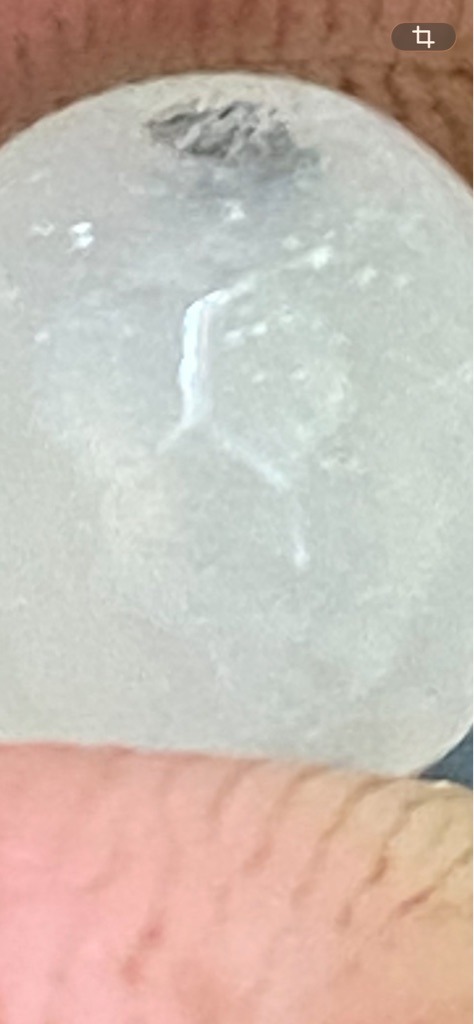
Natural diamond rough / specimen · Irregular crystalline form / uncut octahedral or rounded rough
Not Applicable (Uncut rough stone) Cut
Carat
Estimated 0.50 - 1.00 carats
Color
K-M (Off-white / tinted)
Clarity
I2 - I3 (Heavy inclusions and surface flaws)
Shape
Irregular crystalline form / uncut octahedral or rounded rough
Overall Assessment
An interesting raw, uncut natural diamond specimen showcasing native crystallization, though low in gemological clarity and brilliance, making it ideal for collection or rustic jewelry designs.
Cut Quality
Not Applicable (Uncut rough stone)
Brilliance
Low due to lack of facets and frosted surface
Fire
Minimal to none in current rough state
Scintillation
Absent due to absence of faceted surfaces
Proportions
Natural formation, non-standardized
Symmetry
Natural asymmetrical rough formation
Polish
Natural unpolished crystal face / frosted exterior
Fluorescence
Indeterminate from visual assessment
Inclusions
Large dark mineral inclusions and internal fractures visible near the edge
Blemishes
Natural surface pitting, trigons, and irregular growth markings
Origin
Natural alluvial or primary pipe deposit origin
Treatment Detection
No treatments detected; completely untreated natural rough
Estimated Value
Low commercial or specimen value ($50 - $150 USD)
Certification Estimate
Basic gemological report confirming natural rough diamond
Investment Potential
Minimal investment value, sold primarily as a curiosity or raw specimen
Similar Diamonds
Industrial grade or low-quality gem rough specimens
Setting Suggestions
Wire-wrapped pendant or rustic raw-stone bezel setting in yellow or white gold
Care & Maintenance
Store separately to prevent scratching other jewelry; clean with mild soapy water and a soft brush
Interesting Facts
This specimen displays the natural frosted outer skin typical of many diamonds recovered directly from kimberlite or alluvial deposits