Natural Rough Diamond
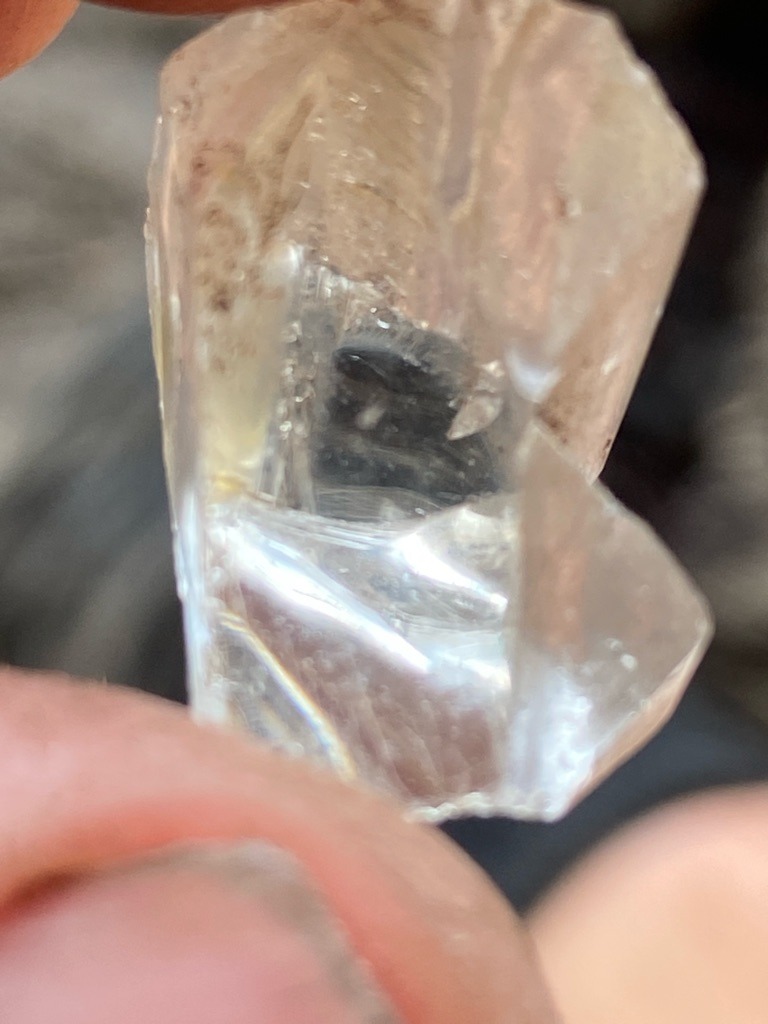
Natural Rough Diamond · Rough Crystal / Uncut Octahedral/Irregular
Not Applicable (Rough, uncut crystal) Cut
Carat
Estimated 2.5 - 3.5 carats
Color
K-M (Light Brownish/Yellowish Tint)
Clarity
I2 - I3 (Included with noticeable dark inclusions and fractures)
Shape
Rough Crystal / Uncut Octahedral/Irregular
Overall Assessment
A raw, unpolished natural diamond crystal with significant inclusions and a brownish tint, better suited for mineral collections or specialized uncut jewelry rather than traditional high-end faceted use
Cut Quality
Not Applicable (Rough, uncut crystal)
Brilliance
Low to moderate due to rough surface and inclusions
Fire
Minimal in current rough state
Scintillation
Poor, lacking faceted light return
Proportions
Natural crystal habit, non-standard
Symmetry
Natural distorted crystalline symmetry
Polish
Natural unpolished crystal faces (trigons potentially present)
Fluorescence
Cannot be determined without UV testing (Likely Medium Blue based on typical rough)
Inclusions
Large dark carbon spots, cloudiness, and internal feather fractures visible
Blemishes
Natural surface roughness, pits, and growth lines
Origin
Alluvial or primary kimberlite deposit (African or Canadian origin likely)
Treatment Detection
No treatments detected; completely natural rough specimen
Estimated Value
$200 - $500 depending on cutting potential
Certification Estimate
GIA or local gemological lab for rough authentication
Investment Potential
Low as an investment stone, primarily of mineralogical or collector interest
Similar Diamonds
Industrial grade or lower-tier commercial rough diamonds
Setting Suggestions
Raw diamond jewelry setting using a prong or bezel setting to preserve the natural crystal form
Care & Maintenance
Avoid harsh impacts as internal fractures make it vulnerable to cleavage along crystal planes
Interesting Facts
This specimen displays natural growth features such as striations and complex internal mineral inclusions trapped during formation millions of years ago