Natural (Rough Crystal)
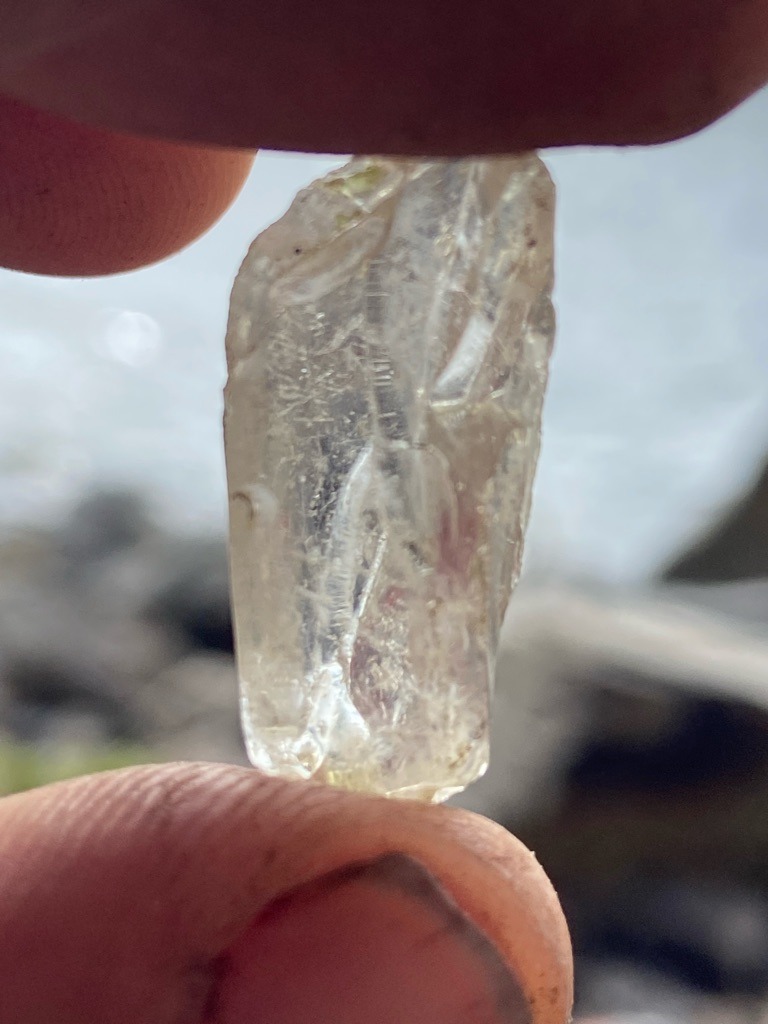
Natural (Rough Crystal) · Uncut Rough / Irregular Octahedral Fragment
Not Applicable (Rough Stone) Cut
Carat
Estimated 3.5 - 4.5 carats
Color
K-M (Light Yellowish Tint)
Clarity
I1 - I2 (Included, visible surface fractures and inclusions)
Shape
Uncut Rough / Irregular Octahedral Fragment
Overall Assessment
This is an unpolished, natural rough diamond crystal displaying characteristic elongation and natural surface growth features. While its clarity and color grades place it in the lower commercial/industrial tier for cut stones, its raw aesthetic makes it a fascinating specimen for mineral collectors or custom organic jewelry designs.
Cut Quality
Not Applicable (Rough Stone)
Brilliance
Low due to lack of facets and rough surface texture
Fire
Minimal in current rough state
Scintillation
Poor, light is diffused rather than reflected internally
Proportions
Elongated rough form, high depth percentage typical of uncut crystals
Symmetry
Natural Irregular Symmetry
Polish
Raw Natural Crystalline Surface with Growth Lines (Trigons/Etch channels)
Fluorescence
Indeterminate from visual assessment (typically Medium Blue in natural rough if present)
Inclusions
Feathers, internal cleavage planes, carbon spots
Blemishes
Natural surface roughness, pits, growth marks
Origin
Alluvial or primary kimberlite pipe deposit (Africa or South America)
Treatment Detection
No treatments detected, completely natural rough crystal
Estimated Value
$300 - $800 depending on final cut yields
Certification Estimate
GIA or EGL (would receive a Rough Report or specialized rough grading)
Investment Potential
Low as a gemstone, moderate as a unique collector specimen or mineral specimen
Similar Diamonds
Other industrial or low-gem grade rough diamond crystals
Setting Suggestions
Raw mineral organic setting, wire-wrap, or custom artisan bezel setting to preserve raw character
Care & Maintenance
Avoid heavy impacts along cleavage planes to prevent fracturing; clean with warm soapy water and a soft brush
Interesting Facts
Rough diamonds display natural growth striations and triangular etch marks called trigons on their crystal faces